
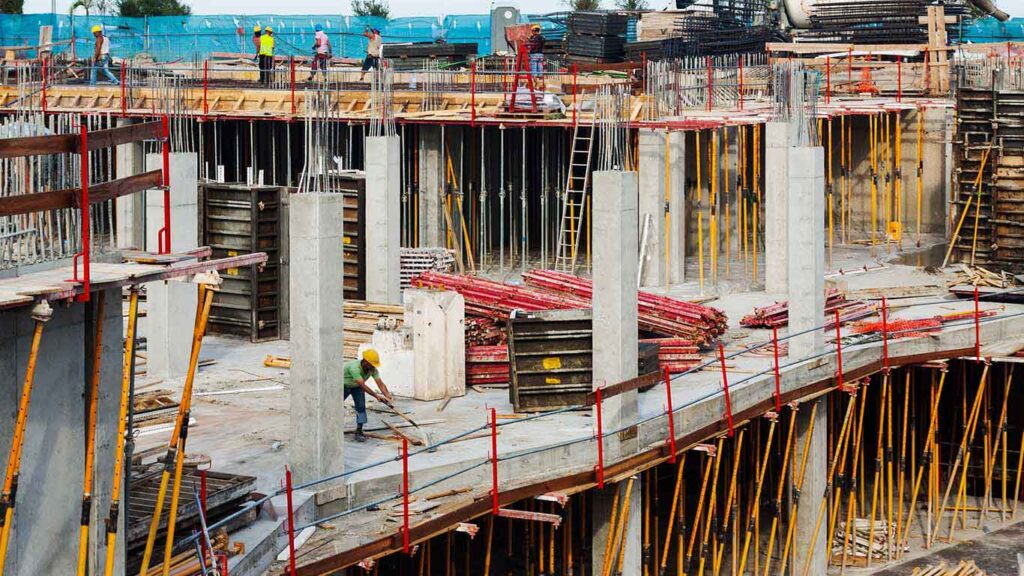
Starting a construction project, whether it’s building your dream home, renovating an existing space, or developing a commercial property, is an exciting journey. However, without the right knowledge and preparation, it can quickly become overwhelming. Understanding the key aspects before you begin will help you make informed decisions, avoid costly mistakes, and ensure a smooth experience from start to finish.
1. Have a Clear Vision
Before breaking ground, it’s important to define exactly what you want. Consider your needs, lifestyle, design preferences, and long-term goals. Whether you have a detailed plan or just an idea, working with professionals to refine your vision will set a solid foundation for your project.
2. Set a Realistic Budget
Budgeting goes beyond just the cost of construction. It should include design fees, permits, materials, labor, and a contingency fund for unexpected expenses. A clear and realistic budget helps prevent delays and ensures your project stays on track financially.
3. Choose the Right Construction Partner
Selecting a reliable and experienced construction company is one of the most important decisions you’ll make. Look for a team with a strong track record, transparent processes, and a commitment to quality. The right partner will guide you, communicate effectively, and bring your vision to life with professionalism.
4. Understand the Timeline
Every construction project takes time. Factors such as design complexity, weather conditions, approvals, and material availability can impact the schedule. Having a realistic timeline, and some flexibility, will help you manage expectations and reduce stress.
5. Know the Importance of Proper Planning
Thorough planning is essential for a successful project. This includes architectural designs, structural plans, and compliance with local building regulations. Skipping or rushing this stage can lead to costly corrections later on.
6. Communication is Key
Open and consistent communication with your construction team ensures that everyone stays aligned. Regular updates, site visits, and clear discussions about progress and changes will help avoid misunderstandings and keep the project running smoothly.
7. Prioritize Quality Over Shortcuts
While it may be tempting to cut costs, compromising on quality can lead to long-term issues and higher maintenance expenses. Investing in quality materials and skilled workmanship ensures durability, safety, and value for your investment.
8. Prepare for the Unexpected
Even with the best planning, unexpected challenges can arise. Having a contingency plan—both financially and mentally, will help you handle surprises without unnecessary stress.
Final Thoughts
A successful construction project starts with informed decisions and the right team by your side. By understanding these key factors, you can approach your project with confidence and clarity. With proper planning, clear communication, and a focus on quality, your vision can be transformed into a space that meets your needs and stands the test of time.